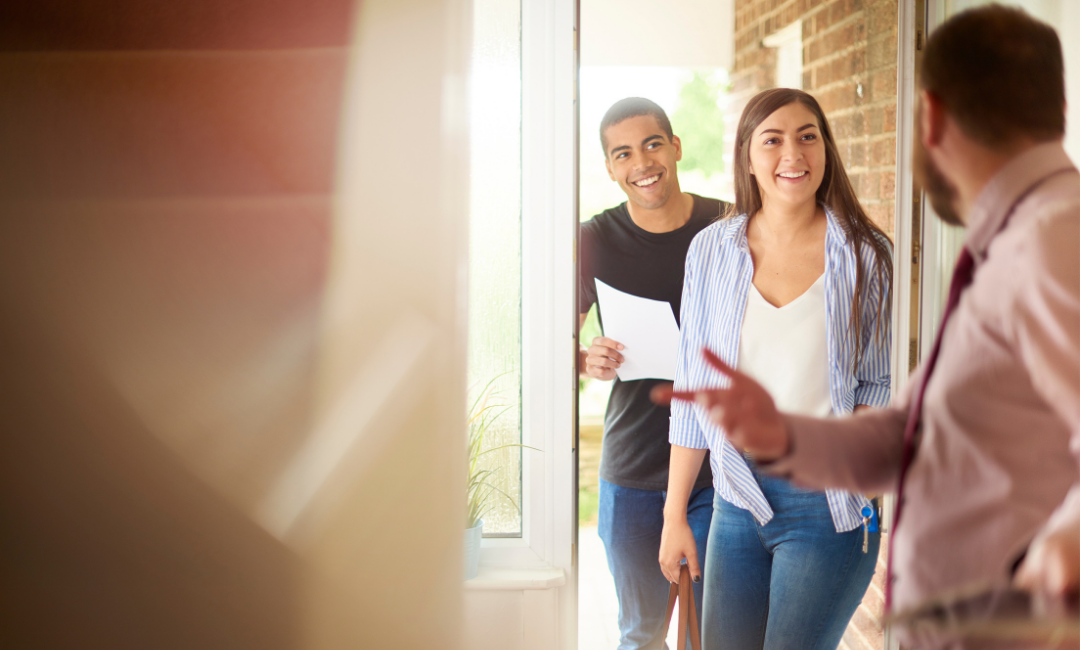
What Is an Open House?
In real estate, an open house is a period of time when a house or other dwelling is available to be viewed by potential buyers.
Open houses can attract interested buyers, who can explore the property by themselves or guided by a real estate agent, and lead to an offer. The events can also alert the real estate agent to issues with the space that might be pointed out.
Open houses are held for selling and advertising purposes. They offer a unique experience compared to individual showings.
Open houses come with challenges, such as organizing efforts and safety considerations. Read on to learn more about these and other drawbacks, but also about the benefits.
Key Takeaways
- An open house is a designated time when a home is available for viewing by potential buyers.
- Open houses can generate interest and gather feedback that may uncover reasons why a property isn’t selling.
- While open houses create opportunities, they require effort and can involve leaving the property for the event.
- Online listings and virtual tours offer broader exposure, making some sellers question the necessity of open houses.
- Broker’s open houses are exclusive to real estate professionals, allowing agents to preview and discuss the property.
The Mechanics of an Open House
In the real estate market, buying and selling a property is an example of a relatively illiquid market with dissimilar products. Each house will be different from the next, even if they are in the same neighborhood or even on the same block. During an open house, potential buyers can explore the property freely or with a real estate agent’s guidance. Usually, the owners or renters vacate the house during the event.
The goal of an open house is to secure interest from buyers. Open houses allow interested buyers to take their time looking at the house and the surrounding property, rather than a shorter one-on-one appointment with a broker.
Most open houses take place on weekends, using banners and advertisements to attract attention. Owners keep houses clean and organized during open houses to attract buyers. Some owners or agents may also serve coffee, cocktails, or hors d’oeuvres at these events.
Fast Fact
The term “open house” can also refer to the real estate property itself; in either case, it applies to dwellings that are for sale by the owner. They are often held to advertise a newly developed community.
Pros and Cons of Hosting Open Houses
For people trying to sell their homes, an open house provides an opportunity to attract interested buyers to the property. A successful open house can create excitement and lead to an offer. Many real estate agents advise their clients to hold an open house the first weekend after the property goes up for sale.
Even if the event doesn’t snag a buyer, an open house can still be beneficial. Visitors often discuss their impressions of the property as they walk through it. This feedback can alert the real estate agent (or Realtor) to issues that might be preventing the house from selling. For instance, changing unattractive paint colors can easily enhance a home’s selling potential.
Why Hosting an Open House Requires Effort
For some sellers, an open house entails more effort than it is worth. As mentioned earlier, the property owner usually must leave the property during the event to give the real estate agent free rein. This may mean making alternate living arrangements for children and pets. Owners also need to remove personal items like photographs that might prevent prospective buyers from imagining themselves in the home. Due to safety and theft concerns, some sellers are also hesitant to have groups of strangers walking through their homes.
Boosting Buyer Interest Through Open Houses
According to a 2025 report from the National Association of Realtors (NAR), just 3% of all buyers visited open houses as the first step in their home-buying process. This includes 4% of people ages 70 to 78 and just 2% of younger people (26 to 34 years). Most buyers begin the home-buying process by either contacting a real estate agent or browsing online. However, a large portion (48%) will attend an open house, mostly ages 60 to 69.1 These statistics go against the common belief that opening a home to the public for a few hours on the weekend will draw foot traffic that will translate into a sale.
With the advent of the internet, many properties are listed online before the first open house is scheduled. Home seekers can view photos and information about the property’s condition on a website, allowing homeowners to cast a much wider net for potential buyers. For some sellers, this can make open houses seem obsolete.
- Attracts interested buyers
- Alerts real estate agent to issues with the house through visitor feedback
- May lead to an immediate offer
- Great way to show the house to a lot of people at once instead of drawn-out, one-by-one showings
- Can entail more effort in organizing than its worth
- Online listings can reach more potential buyers in a shorter amount of time
- Owners may have to leave their homes during open houses
- May be a potential for theft, especially if the event draws a large crowd
Understanding Broker’s Open Houses
In contrast to a traditional open house, which is open to the public, a broker’s open house is strictly for real estate professionals. A broker’s open house intends to allow real estate agents to view the property. It also allows the seller’s real estate agent to solicit professional opinions from their peers about the property and its price. In many cases, the broker’s open house also encourages buyers’ agents to schedule a showing for their clients.
A broker’s open house usually is held midweek, when agents are more available than on weekends, when they’re occupied with showing homes to their clients. A broker’s open house is among the tools that real estate agents use to market a home. In addition to online marketing systems like the Multiple Listing Service (MLS), it’s a way to introduce a listing to industry professionals in a community.2
Important
Sellers should make sure to remove or hide any valuables before an open house event to protect themselves against theft. In addition, it’s also a good idea for your broker to require each visitor to sign in with at least their full name, email address, and phone number.
How Do You Find an Open House?
You can find open house listings via online real estate marketplaces, on social media, and by simply calling local real estate agents and asking them about upcoming open houses in your area.
Can Anyone Go to an Open House?
Open houses are primarily a way for potential buyers to see new homes on the market, but anyone can attend an open house, including those who aren’t in the market for a new home.
Should You Go to an Open House Before Making an Offer?
You don’t have to go to an open house before making an offer, but it’s usually a good idea to view a property in person before making an offer. However, during the pandemic, many real estate agents ended up selling homes to eager buyers based solely on photographs and information available on online listings.3
What Should You Serve at an Open House?
You don’t have to serve refreshments at an open house, but it might be nice to offer potential buyers coffee, tea, water, and cookies. If it is an evening event or a specialized open house, you could offer mocktails or cocktails with hors d’oeuvres.
Should You Stage an Open House?
Over half of buyers’ agents (58%) agree that some form of staging is a good idea when selling a house, according to the National Association of Realtors. Staging a house is a skill, and it involves making a home appealing to a wide pool of buyers. Fresh paint, removing clutter, and keeping it extremely clean are easy ways to stage a home. When brokers sell a newly built home, they often use stagers to set up every room.4
How Long Do Open Houses Last?
The length of an open house event varies depending on the property, the broker, and the seller. It could be as short as one hour or an entire morning or afternoon. Open houses typically aren’t held all day, but some brokers may prefer to do so. It’s not uncommon for a broker to hold several open house events when selling a home.
The Bottom Line
An open house is a low-pressure opportunity for home sellers to generate interest and receive feedback from potential buyers.
Traditional open houses differ from broker’s open houses in that the former is open to the public, while the latter is for real estate professionals.
Open houses can reveal issues with a property based on visitor feedback, which can aid in potentially closing a sale.
The effort involved and logistical challenges for sellers in organizing an open house include the need for staging and temporary relocation. Safety measures must also be undertaken, such as securing valuables and requiring visitor sign-ins, to prevent theft. Finally, open houses also face declining necessity due to the rise of online listings and virtual tours.
Despite these challenges and drawbacks, open houses remain potentially effective in certain markets.